
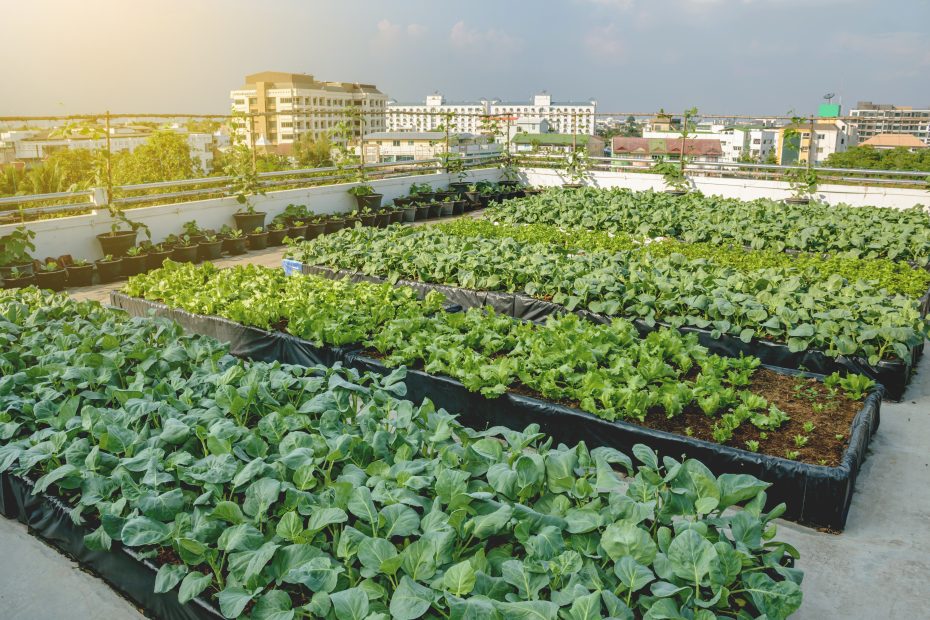
Urban farming is becoming an increasingly popular phenomenon worldwide, and for good reasons!
According to Dax Cooke, moving away from typical farming practices, urban agriculture has been shown to improve health outcomes, protect ecosystems, fight climate change, and create community-oriented spaces. Whether rooftop gardens or vertical farms in downtown shopfronts, each new farm brings a unique set of potential benefits for the local environment and its inhabitants.
This blog post will examine why more people want to try urban farming.
Urban Farming and Its Benefits of it As Per Dax Cooke
Urban farming is the practice of cultivating and producing food in urban settings. It can involve maintaining a rooftop or windowsill garden, keeping chickens on small-scale farms, or even implementing community gardens in larger shared local areas.
According to Dax Cooke, urban farming helps to create stronger connections between people in the community. It can also reduce our environmental footprint by reducing transportation from multiple sources and providing organic, locally-grown produce without pesticides.
Urban farming also helps to create sustainable jobs and can provide a steady source of income to those living in the community.
The Different Types of Urban Farming Discussed by Dax Cooke
There are several different types of urban farming. Some of the most famous types include;
1. Indoor Farming
Indoor farming involves growing crops indoors, using artificial lighting and climate control systems. Indoor farms can be located in warehouses, shipping containers, or other enclosed spaces and can produce crops year-round.
2. Vertical Farming
Vertical farming uses artificial lighting and climate control systems to grow crops in stacked layers. Vertical farms can be located in buildings or shipping containers, producing high yields in a small space.
3. Aquaponics
This type of farming combines fish farming with hydroponic vegetable production. The fish waste provides nutrients for the plants, while the plants help filter the water for the fish.
4. Rooftop Farming
Rooftop farming includes growing crops on the rooftops of buildings. Rooftop farms can be small or large and managed by individuals, businesses, or community organizations.
Getting Started With Urban Farming as Per Dax Cooke
If you want to start urban farming, here are some tips by Dax Cooke;
- Research local laws and regulations; some cities have restrictions on what can be grown or where it can be grown.
- Determine how much space you have available for urban farming and what type of farming will work best in that space. Consider factors such as sunlight, water access, and soil quality.
- Select crops well-suited to your space, climate, and growing conditions.
- Follow the planting instructions for your chosen crops, including spacing, depth, and watering requirements.
- Regularly water your crops, remove weeds or pests, and monitor their growth.
Wrapping Up!
Urban farming has become a rising trend, and its popularity is clear. With more people looking for locally grown produce and ways to support their local community, the urban farm is a perfect choice.
Many businesses have begun to explore urban farming, too, using unconventional spaces to cultivate fresh fruits and vegetables.
As per Dax Cooke, the future of urban farming looks exciting, with even more people realizing its countless advantages!