
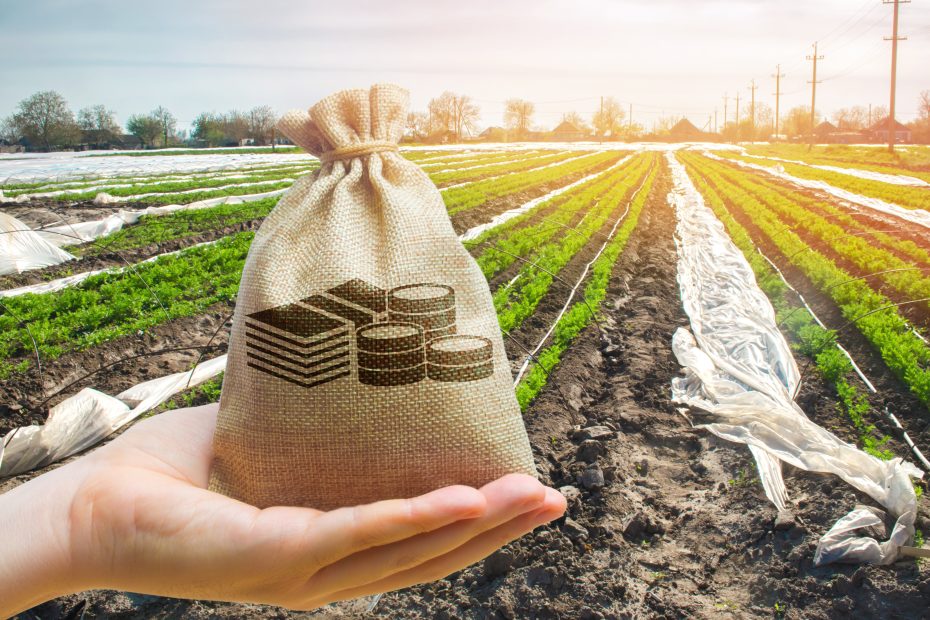
In an era of high volatility in the stock market and uncertainty in other traditional investments, many savvy investors are seeking alternative investment opportunities. One such opportunity, often overlooked, lies in the earth beneath our feet—agricultural land. This segment of real estate investing provides a unique combination of stability, profitability, and growth potential that few other asset classes can match. The value derived from agricultural land doesn’t just come from its ability to appreciate over time, but also its ability to produce profitable commodities such as crops, livestock, and timber.
However, agricultural land investing is not without its challenges and risks. It’s a complex field that requires thorough understanding and sound decision-making. Market dynamics, land quality, climate conditions, and legislation are among the many factors that can influence the success of an agricultural land investment. Hence, it is of paramount importance for investors to be well-informed, perform diligent research, and potentially seek professional advice.
The Current State of Agricultural Land Investments
The world today is witnessing a surge in the value of agricultural land. With the rising global population and increased demand for food, the importance of agricultural land is magnified, reflecting in its escalated value in the economy. The past decade has seen a steady appreciation in the price of agricultural land, with a growing number of investors recognizing the potential of this under-tapped market.
In terms of market trends, the shift towards sustainable and organic farming methods is making a significant impact. Consumers are increasingly concerned about the environmental impact and the health benefits of their food choices. This is leading to a growing demand for organic produce, and in turn, escalating the value of land that is suitable for organic farming.
Advancements in technology have also begun to play a crucial role in agricultural land valuation. Technologies such as precision farming, drone surveying, and soil analysis tools allow for better yield predictions and farm management, increasing the overall profitability of the land. Investors who embrace these advancements are likely to see a significant increase in their return on investment.
Moreover, the rising importance of sustainable farming practices in today’s economy cannot be overlooked. Investors are starting to realize the benefits of implementing sustainable farming practices such as crop rotation, organic farming, and efficient irrigation systems. Not only do these practices increase the long-term fertility and viability of the land, but they also appeal to a growing market segment of consumers interested in sustainable and ethically-produced food.
Why Invest in Agricultural Land?
Investing in agricultural land offers several distinct benefits. Firstly, it has the potential for a substantial return on investment. The profit derived from agricultural operations, along with the land’s appreciation over time, can result in significant financial gains.
Additionally, agricultural land plays a critical role in ensuring global food security. As the world’s population continues to increase, so does the demand for food. This creates a consistent market demand for agricultural products, and by extension, the land that produces them.
Diversification is another key advantage of investing in agricultural land. Including agricultural land in an investment portfolio can spread risk, as it often exhibits lower correlation with traditional asset classes like stocks and bonds. In periods of economic downturn, agricultural land can provide stability and reliable returns, acting as a hedge against inflation.
Finally, the rising demand for organic farming and agrotourism opens up new opportunities for profit. Organic farms command higher prices for their produce, and farms open to the public for tours, farm stays, and hands-on experiences offer additional income streams. Given the societal shift towards environmentally-friendly practices and immersive experiences, these avenues of profit are expected to grow in the years to come.
How to Successfully Invest in Agricultural Land
Step 1: Market Research
Before venturing into agricultural land investment, conduct comprehensive market research. Understand the dynamics of commodity prices, evaluate land values in different regions, and familiarize yourself with local farming practices. Remember that agriculture is heavily influenced by both local and global trends, so staying informed is crucial.
Step 2: Selecting Suitable Land
When investing, not just any plot of land will suffice. Factors such as soil fertility, access to water, and suitability of climate for intended crops or livestock are paramount considerations. Conduct soil tests, investigate the reliability of local water sources, and research climatic patterns in the region.
Step 3: Evaluating Infrastructure
The presence and quality of infrastructure greatly affect the productivity and profitability of agricultural land. Consider proximity to markets for selling produce, access to transport routes, and the condition of existing farm buildings or facilities. Also, check if the land has access to modern farming necessities such as electricity and internet connectivity.
Step 4: Financial Analysis
Thorough financial analysis is key to successful investment. Weigh the initial investment cost against potential returns. Account for operating expenses such as seeds, fertilizers, equipment, and labor. Also, consider potential profit sources, from selling primary produce to value-adding opportunities like organic farming or agrotourism.
Step 5: Legal Considerations
A clear understanding of legal aspects is crucial. Ensure the land titles are clean, and be aware of any zoning restrictions or covenants that might limit farming activities. Check for water rights, especially in regions where water is scarce.
Step 6: Risk Management
Like any investment, agricultural land comes with risks. These include climate risks, potential for pest diseases, and commodity price volatility. Consider these factors and devise strategies to mitigate them, such as diversification of crops, insurances, and hedging strategies.
Ten Tips for Prospective Agricultural Land Investors
Tip 1: Understand the Agricultural Market
Knowledge is power. Familiarize yourself with the ins and outs of the agricultural market before investing.
Tip 2: Consider Leasing Land Before Buying
Leasing gives you a taste of managing agricultural land without the long-term commitment. It can be a good first step.
Tip 3: Seek Expert Advice
Consult with agronomists, experienced farmers, and investment professionals. They can offer valuable insights and help avoid pitfalls.
Tip 4: Invest in Sustainable Practices
Sustainable farming is more than a trend; it’s a shift towards long-term land viability and higher market demand.
Tip 5: Diversify Your Agricultural Investments
Don’t put all your eggs in one basket. Consider investing in different types of crops, livestock, or even different regions to spread risk.
Tip 6: Understand Potential Tax Benefits
Agricultural land often comes with tax incentives. Consult with a tax professional to understand potential benefits.
Tip 7: Visit the Property Personally
Seeing the land firsthand provides insights no report can give. Walk the land, talk to locals, and get a real feel for the potential of the property.
Tip 8: Stay Updated With Agricultural Technology Trends
From drone technology to precision farming, tech advancements can significantly boost agricultural productivity.
Tip 9: Consider Long-Term Implications of Climate Change
Climate change is a reality. Invest in lands resilient to changing weather patterns and consider crops that can withstand environmental shifts.
Tip 10: Evaluate Potential for Value-Adding Opportunities
Whether it’s organic farming, agrotourism, or specialty crops, explore opportunities to increase your profit margin.
Some FAQs answered For The Relevant Topic
What is the average return on agricultural land investments?
The return on agricultural land investments varies greatly based on factors such as location, type of farming, and market conditions. Historically, returns have ranged from 3% to 6% annually from crop yield and livestock, with additional returns from land appreciation. However, these are rough estimates, and individual results can vary.
How can I mitigate risks when investing in agricultural land?
Risk mitigation in agricultural land investment includes diversification, staying informed about market trends, implementing sustainable farming practices, and having a good risk management plan in place. It’s also recommended to work with agricultural and financial advisors to ensure a well-rounded risk mitigation strategy.
What impact does climate change have on agricultural land value?
Climate change can affect agricultural land value in multiple ways. Changes in weather patterns can influence the types of crops that can be successfully grown, which in turn affects land productivity and value. Coastal areas could face risks from rising sea levels, while other regions might suffer from increased drought or flooding. Therefore, considering climate resilience is essential when investing in agricultural land.
How does technology influence the profitability of agricultural land?
Technology can significantly increase the profitability of agricultural land. Advances in farming technology can boost productivity, improve efficiency, and reduce costs. For example, precision farming technology allows for more efficient use of resources like water and fertilizer, thus increasing crop yields and reducing expenses.
Can I invest in agricultural land if I don’t have farming experience?
Yes, you can invest in agricultural land without farming experience. Many investors lease their land to experienced farmers or hire farm management companies. However, it’s crucial to understand the basics of the agricultural market to make informed investment decisions.
In Conclusion, Investing in agricultural land presents a unique opportunity for stable, profitable, and sustainable returns. It offers a myriad of benefits including potential high return on investment, ensuring global food security, portfolio diversification, and the rising demand for organic farming and agrotourism.
However, success in this field requires thorough market research, careful selection of suitable land, evaluation of infrastructure, diligent financial analysis, and an understanding of legal considerations and risk management. Additionally, staying updated with agricultural technology trends, understanding the long-term implications of climate change, and exploring potential value-adding opportunities can significantly increase profitability.
Prospective investors are encouraged to take a diligent and well-informed approach to investing in agricultural land. Like any other investment, it’s not without risks, but with the right strategies and guidance, the rewards can be substantial. By investing in agricultural land, you’re not only investing in your financial future but also contributing to global food security and promoting sustainable farming practices. So why wait? The time to sow the seeds of your agricultural investment is now!