
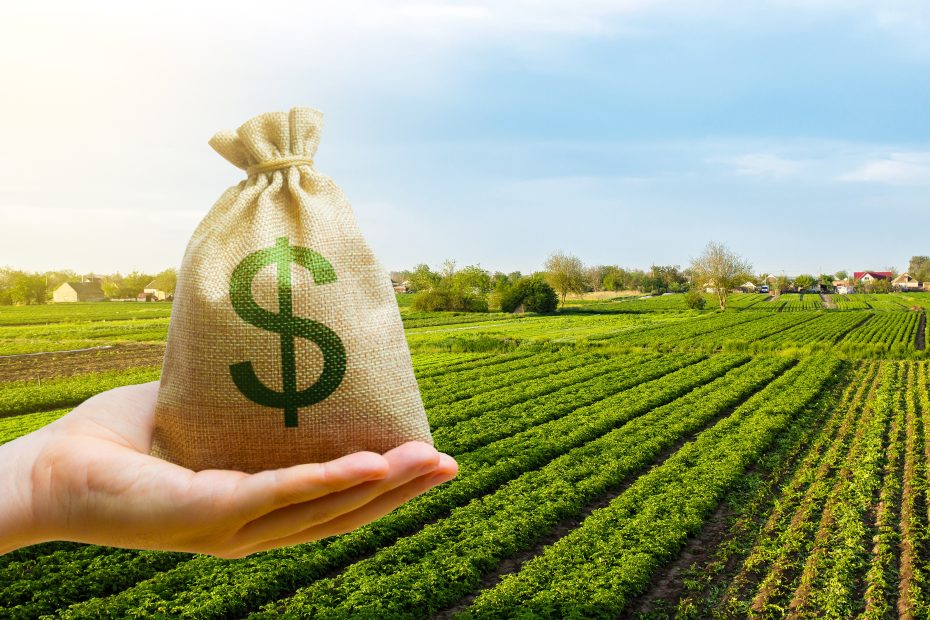
In a world dazzled by the shimmer of digital currencies and the virtual allure of intangible assets, the steady hum of the Earth beneath our feet offers a compelling counterpoint. Farmland, a canvas of verdant greens and golden harvests, is not just a relic from our agrarian past, but a promising chapter in our investment future. Historically, vast tracts of land were the gold standards of wealth and power. Today, amidst the cacophony of stock market ticks and the ebb and flow of urban sprawl, the intrinsic value of farmland emerges not just as a nod to our roots but as a clarion call to investors searching for enduring value in a transient world.
The Rising Popularity of Farmland Investments
In the backdrop of the 21st century’s economic canvas, tangible assets like farmland have seen a resurgence in popularity. Their tangible nature provides an inherent sense of security, a grounding touchpoint amid the ephemeral nature of digital assets.
Economic Trends Leading to Tangible Assets
The recent years have witnessed economic fluctuations, market crashes, and unpredictable geopolitical events. Such uncertainties have naturally propelled investors to seek refuge in more tangible assets. Farmland, with its dual promise of providing sustenance and potential economic yield, fits this bill perfectly.
Farmland’s Potential as a Hedge Against Inflation
With inflationary trends gnawing at the purchasing power of modern currencies, assets that can potentially offer protection are in demand. Farmland’s potential to produce crops, which can be sold at prevailing market rates, makes it an attractive option. As food prices rise, the value of the produce from these lands also witnesses an upswing, thus offering a natural hedge against inflation.
Top Rewards of Farmland Investment
Delving deeper, let’s enumerate some of the compelling rewards that make farmland a sought-after investment avenue.
Stable and Consistent Returns
Unlike the tumultuous roller coaster of the stock market, farmlands tend to provide more consistent returns. While they’re not immune to market forces, the demand for food and agricultural produce provides a safety net of sorts, ensuring steady cash flows.
Environmental Benefits: Carbon Sequestration and Sustainability
Investing in farmland isn’t just about economic prudence; it’s an environmentally conscious decision too. Well-managed farms act as carbon sinks, pulling carbon dioxide from the air and helping mitigate climate change impacts. Sustainable farming practices further enhance this benefit, promoting biodiversity and healthier ecosystems.
Diversification for Investment Portfolios
Any seasoned investor will attest to the importance of diversification. Farmland, with its unique set of rewards and challenges, offers an excellent avenue for diversifying investment portfolios, ensuring that all eggs aren’t in one basket.
Positive Socio-Economic Impact on Local Communities
Owning and managing farmlands often leads to job creation and supports local economies. From hiring farmhands to engaging with local agribusinesses, it fosters community development and socio-economic upliftment.
Rising Global Food Demands Bolstering Land Value
With global populations on the rise and arable land becoming scarcer, the math is simple. Increased demand coupled with limited supply augurs well for the valuation of farmlands, ensuring that they remain a lucrative investment option for the foreseeable future.
Navigating the Terrain: Understanding the Risks
Investing in farmland, like all other ventures, isn’t without its risks. While the returns can be lucrative, understanding the potential pitfalls is imperative for the discerning investor. A well-informed perspective can not only safeguard your investment but also ensure steady returns and long-term growth.
Market Volatility and Land Value Fluctuation
Although farmlands generally promise stable returns, they are not immune to market dynamics. Factors like geopolitical events, regional economic downturns, and changing trade policies can affect land values. It’s essential to be aware of such external influences and have a flexible strategy in place to mitigate any negative impacts.
Climate Change Impacts and Vulnerability to Natural Disasters
With climate change becoming an undeniable reality, its implications on agriculture are significant. Changing rainfall patterns, increasing instances of droughts or floods, and shifting weather dynamics can directly impact crop yields. Moreover, lands in certain regions might become more vulnerable to natural calamities, affecting their overall valuation.
Challenges in Land Management and Potential for Crop Failures
Effective land management is crucial to ensure consistent yields. Inadequate pest control, improper irrigation methods, or lack of soil nutrient management can lead to crop failures. Investors, especially those not well-versed with agricultural intricacies, might face challenges in this realm.
Regulatory Changes and Potential Land-use Restrictions
Changes in land-use policies or introduction of new agricultural regulations can influence how land can be utilized. Staying updated with local, state, and national regulations is paramount to avoid potential legal complications and to ensure that the land continues to serve its intended purpose.
Safeguarding Your Farmland Investment
Awareness of the risks is just the first step; actively safeguarding your investment is the next critical phase. Here’s a step-by-step guide to ensure that your farmland remains a valuable asset in your portfolio.
Comprehensive Research on Potential Farmland Regions
Before investing, conduct thorough research on the regions you’re considering. Understand the soil quality, historical crop yields, and any known vulnerabilities (like susceptibility to drought or floods). Knowledge about the local climate and typical weather patterns can also offer insights into what crops might thrive.
Engaging with Local Farmers and Understanding the Local Agrarian Scene
Local farmers possess a wealth of knowledge accumulated through years of hands-on experience. Engaging with them can provide valuable insights into best practices, potential challenges, and local market dynamics. This ground-level perspective can be instrumental in making informed decisions.
Insurance Options for Farmland Protection
Given the vulnerabilities associated with farming, having a comprehensive insurance policy is non-negotiable. Such policies can cover everything from crop failures due to unforeseen weather events to damages from natural disasters. Ensure that the policy is tailored to the specific needs of the region and the crops you intend to cultivate.
Adopting Sustainable Farming Practices to Ensure Long-term Soil Health
Sustainable farming isn’t just an eco-conscious decision; it’s also a sound investment strategy. Practices like crop rotation, organic pest control, and conservation tillage ensure that the soil remains fertile and productive in the long run. This not only ensures consistent yields but also enhances the land’s value over time.
Keeping Updated with Global Agricultural Trends and Technological Advances
The world of agriculture is dynamic, with new techniques, crops, and technologies emerging regularly. Staying updated with these trends can offer competitive advantages, ensuring that your farmland is always in sync with market demands and is leveraging the latest in agricultural tech for optimal yields.
The Future of Farmland in a Changing World
As we navigate through this era of rapid technological advancements and environmental challenges, the agricultural landscape is experiencing pivotal shifts. Forward-thinking investors recognize the potential and responsibility that comes with owning arable land.
The Integration of Technology into Farming and its Impact on Investment
The dawn of the Fourth Industrial Revolution has ushered in a new age for agriculture. With the integration of technologies like Artificial Intelligence, drone monitoring, and precision agriculture, farms are becoming more efficient and productive. These technological interventions not only boost yields but also make farming more resilient to changing climatic conditions, indirectly amplifying the value of the investment.
Sustainable and Organic Farming: Not Just a Trend but a Necessity
As consumers globally lean towards healthier, chemical-free food options, sustainable and organic farming practices are gaining ground. Beyond consumer demand, these practices also safeguard the soil’s health, ensuring that the land remains fertile and productive for generations. This long-term vision aligns with the intrinsic nature of farmland investments, making sustainability not just desirable but crucial.
Farmland’s Role in Global Food Security and Addressing Climate Change
As the global population inches towards 10 billion, food security becomes paramount. Farmlands will play a pivotal role in ensuring that food demands are met. Moreover, through practices like afforestation and sustainable agriculture, farmlands can act as carbon sinks, directly combating the pressing issue of climate change.
FAQs
How does farmland fare as an investment compared to urban real estate?
Farmland offers stable and often more predictable returns compared to the volatility of urban real estate markets. While urban real estate may offer quicker returns, farmland stands as a long-term, resilient asset, particularly as a hedge against inflation.
Can farmland investment be a passive income source?
Yes, with proper management structures in place, such as leasing the land to farmers or hiring farm managers, farmland can generate passive income through crop sales or rental income.
How do geopolitical events influence farmland value and trade?
Geopolitical events, such as trade wars or regional conflicts, can influence import-export dynamics, affecting crop prices and land values. Additionally, policies related to land ownership for foreigners can impact investment potential in specific regions.
What are the best practices for farmland maintenance to ensure ROI?
Regular soil health checks, sustainable farming practices, efficient water management, and staying updated with crop trends and technologies ensure optimal yields and land appreciation.
How do government policies and subsidies impact farmland investments?
Policies can influence the type of crops cultivated, pricing, and export-import dynamics. Subsidies can make certain crops more profitable, while regulations might promote sustainable or organic farming. Being cognizant of these policies is essential for informed decision-making.
In conclusion
Navigating the world of farmland investments is akin to treading a path laden with both opportunities and challenges. While the rewards—both monetary and ecological—are palpable, it’s essential to remain vigilant of the inherent risks. Diligence, research, and an unwavering commitment to learning and adapting are the hallmarks of success in this domain. For the prospective investor, farmland beckons not just as an asset, but as a testament to humanity’s intertwined fate with the land. Embrace this journey with foresight, and the horizons are boundlessly fruitful.