
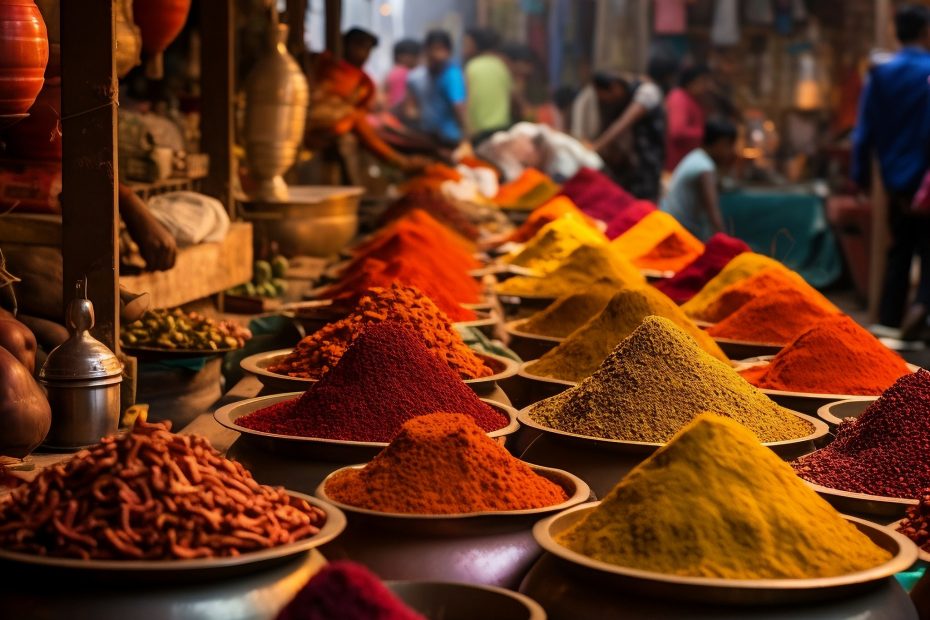
The allure of spices has historically shaped destinies and redrawn world maps. Enthralling tales of the spice trade hark back to ancient times when these aromatic treasures were worth their weight in gold. This rich past, filled with daring voyages and trade wars, laid the foundation for a global fascination that persists to this day. The story of spices is not just one of flavor and culinary delight, but also of monumental human endeavors to connect distant lands through trade routes, forever changing the socio-economic fabrics of societies.
Fast forward to today, and the global spice market is a whirlwind of activity, showcasing an array of trends that demonstrate innovation and adaptability. From the skyrocketing demand for organic spices to the burgeoning popularity of previously obscure flavors, the market is constantly evolving. As health and wellness take center stage, spices known for their medicinal properties are seeing a renaissance. With sustainability now a critical concern, the spice industry is also reinventing its practices to meet new ecological standards.
Grasping the intricacies of spice market dynamics is essential for anyone looking to venture into this lucrative but intricate field. The success of spice trading hinges on understanding not only the timeless appeal of these commodities but also the modern currents that drive their supply and demand. By integrating knowledge of historical significance, current market trends, and strategic trade acumen, stakeholders can navigate this complex market with greater insight and confidence.
Unveiling the Spice Market
Understanding the Supply Chain of Exotic Spices
The journey of exotic spices from farm to fork is an intricate web of processes, each critical to delivering the flavors that enliven our dishes. The supply chain for these commodities is a multifaceted operation involving farmers, middlemen, processors, and retailers. Navigating this supply chain requires an acute understanding of its nuances, from the cultivation of spices to their harvesting, curing, and transportation. Each step is pivotal in maintaining the essence that makes each spice unique.
Major Players in the Global Spice Market
At the heart of the spice market are key players who set the tone for quality and innovation. These range from countries that have traditionally dominated spice production, to multinational corporations that manage extensive distribution networks. Additionally, a new wave of boutique spice companies is reshaping the landscape, bringing a fresh approach to sourcing and sustainability. Understanding who these entities are and how they influence the market is crucial for anyone looking to make their mark in the world of spices.
The Role of Quality and Certification in Spice Trading
In a market where the provenance and purity of products are paramount, quality and certification stand as the twin pillars of trust and authenticity. Stringent standards and certification processes, like those from the International Organization for Standardization (ISO), ensure that spices meet high benchmarks for safety and quality. As consumers become more discerning, these certifications become powerful tools for differentiation and can significantly influence purchasing decisions and market access.
Start Trading in Exotic Spices
Identifying Profitable Spices and Sourcing Channels
Embarking on the journey to trade exotic spices begins with identifying which spices are not only rich in flavor but also in potential profit. Factors such as rarity, demand in international cuisines, and versatility can mark a spice as profitable. Once identified, the next crucial step is establishing reliable sourcing channels. Building relationships with growers and suppliers in regions known for their quality produce is vital. It is equally important to diversify sourcing channels to mitigate risks such as crop failure or political instability that could disrupt supply.
Navigating International Regulations and Export-Import Guidelines
Trading spices on an international scale means navigating a complex web of regulations and guidelines. Compliance with the food safety standards, customs laws, and trade agreements of each target market is non-negotiable. Potential spice traders must acquaint themselves with the necessary documentation and certifications required for their products to cross borders. It is wise to consult with or even hire experts in international trade law to ensure all regulations are meticulously followed.
Establishing a Brand in the Exotic Spice Industry
Creating a brand in the exotic spice industry is not just about a memorable name or a striking logo; it’s about the story, the authenticity, and the experience you provide. Your brand should communicate the quality and origin of the spices, as well as the cultural heritage they represent. Strong branding involves consistent messaging across all platforms, from packaging to online presence, and should highlight the unique selling propositions that set your spices apart in a crowded market.
The Spice Trader’s Toolkit
Top 10 Must-Have Spices in Your Inventory
- Saffron: Prized for its color and flavor, saffron is often more valuable than gold by weight, making it a luxurious staple.
- Vanilla Beans: With a high demand in both culinary and fragrance industries, quality vanilla is essential.
- Cardamom: Known as the “Queen of Spices,” its versatility in both sweet and savory dishes makes it indispensable.
- Clove: Essential for its intense aroma and flavor, it is widely used in cuisines around the world.
- Cinnamon: Always in demand, cinnamon is used in everything from baked goods to traditional medicines.
- Black Pepper: Dubbed the “King of Spices,” it is one of the most universally used spices.
- Turmeric: With its health benefits and bold color, turmeric is increasingly popular in health food markets.
- Star Anise: Its licorice flavor is key in Chinese five-spice powder and is also used in liquor production.
- Nutmeg and Mace: Both spices come from the same tree, with nutmeg being the seed and mace the covering, and are culinary essentials.
- Chili Peppers: The variety of heat and flavors they offer is crucial for many spice blends and cuisines.
Sustainable Practices in Spice Trading
The Impact of Sustainable Farming on Spice Quality
Sustainable farming practices have a profound impact on the quality of spices produced. Techniques that emphasize soil health, biodiversity, and ecological balance often lead to spices with enhanced flavor profiles and longer shelf life. By leveraging methods such as crop rotation, organic pest control, and water conservation, farmers not only produce superior quality spices but also ensure the longevity of their cultivations, providing a stable supply chain that benefits the entire industry.
Fair Trade and Ethical Sourcing in the Spice Industry
The concept of fair trade is increasingly important within the spice industry. Ethical sourcing ensures that the farmers and workers involved in the cultivation and harvesting of spices are compensated fairly and work under acceptable conditions. This emphasis on ethics extends beyond human welfare, encompassing environmental stewardship as well. By supporting fair trade practices, businesses in the spice trade can assure consumers that their products are sourced responsibly, fostering a positive brand image and customer loyalty.
Future Trends: Organic and Biodynamic Spices
Organic and biodynamic farming practices are setting the stage for future trends in the spice market. As consumers become more health-conscious and environmentally aware, the demand for spices grown without synthetic pesticides and fertilizers continues to grow. Furthermore, biodynamic farming, which treats farms as closed, self-sustaining ecosystems, is gaining traction. This holistic approach to agriculture has the potential to revolutionize the spice industry by delivering products that are not only organic but also produced in a way that enhances the vitality of the farm and the final product.
Some FAQs Answered On Expert Insights into Exotic Spice Trading
How Can One Ensure the Authenticity of Exotic Spices?
Ensuring the authenticity of exotic spices involves a multifaceted approach including lab testing for purity, traceability systems to verify the source, and certifications that authenticate organic or fair trade status. Businesses must establish transparent supply chains to track the journey of a spice from farm to table, providing assurance of authenticity to the consumers.
What Are the Challenges of Maintaining Spice Quality During Transport?
Maintaining spice quality during transport requires overcoming challenges related to humidity, temperature, and handling. Spices need to be packed in airtight containers and stored away from direct sunlight and moisture to preserve their aroma and flavor. Advanced packaging solutions and meticulous logistics planning are essential to mitigate the risk of quality degradation during transit.
How Has E-commerce Changed the Spice Trading Business?
E-commerce has revolutionized the spice trading business by opening up direct-to-consumer channels and facilitating global reach with ease. It has provided a platform for niche suppliers to present their unique offerings to a broader audience and has introduced new levels of convenience and choice for consumers. However, this shift also brings the challenge of maintaining quality through packaging and swift delivery.
What Are the Predictions for Spice Consumption Trends in the Upcoming Years?
Predictions for spice consumption trends point towards an increased demand for ethnic, exotic, and health-boosting spices. Consumers are expected to continue seeking out new flavors and natural health remedies, propelling the popularity of lesser-known spices. Additionally, the trend of home cooking and experimentation in the kitchen, spurred by recent global events, is likely to continue, further diversifying spice consumption patterns.
In Conclusion
The spice market, with its rewarding complexity, continues to offer a kaleidoscope of opportunities for aspiring traders drawn to its enduring allure. Understanding the historical importance, navigating current trends, and anticipating future demands are pivotal in carving a successful path in this vibrant industry. The richness of exotic spices not only enhances culinary experiences but also connects cultures and traditions across the globe, promising a dynamic and exciting future for those willing to delve into its depths.