
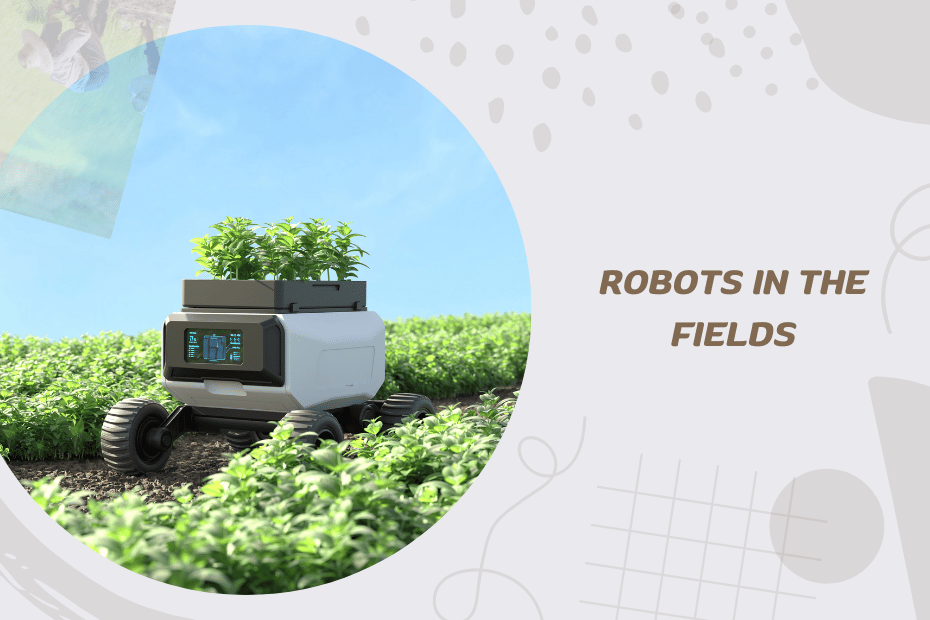
The integration of robotics in agriculture is revolutionizing how farming is done, offering solutions to challenges that have long plagued the industry. From labor shortages to the need for sustainable practices, robots are stepping in to transform modern agriculture into a more efficient, precise, and sustainable endeavor. This article will explore how these advanced machines are shaping the future of farming, touching on their applications, benefits, challenges, and future prospects.
The Rise of Robotics in Agriculture
Robots are becoming increasingly common on farms worldwide. These machines are designed to perform a wide range of tasks, from planting and harvesting to monitoring crop health and managing livestock. The adoption of robotics in agriculture has been driven by several factors, including the need for increased productivity, the challenges of labor shortages, and the growing demand for sustainable farming practices.
Agricultural robots, or “agribots,” are now capable of performing highly specialized tasks that were once the domain of human labor. For instance, robots equipped with sensors and cameras can monitor soil conditions, detect pests and diseases, and even perform tasks like weeding and harvesting with precision that surpasses human capabilities. This precision agriculture approach ensures that crops receive exactly what they need to thrive, which can lead to higher yields and better quality produce.
Applications of Robotics in Modern Farming
The applications of robotics in agriculture are diverse and growing. Here are some of the key areas where robots are making an impact:
- Soil and Crop Monitoring: Robots equipped with advanced sensors can traverse fields to collect data on soil moisture, acidity, and nutrient levels. This data helps farmers make informed decisions about irrigation, fertilization, and other critical farming practices.
- Weed Control: Robots designed for weeding can identify and eliminate weeds with pinpoint accuracy. This reduces the need for herbicides, which is better for the environment and lowers costs for farmers.
- Harvesting: Robotic harvesters are particularly useful for picking delicate fruits and vegetables that are prone to bruising, such as strawberries and tomatoes. These robots can operate continuously, ensuring that crops are harvested at the optimal time.
- Planting and Seeding: Robots can precisely plant seeds at the right depth and spacing, which promotes uniform growth and maximizes yield potential. Some systems also transplant seedlings, ensuring consistent growth across the field.
- Livestock Management: Robots are increasingly used in livestock farming for tasks such as automated milking, feeding, and monitoring animal health. This not only improves efficiency but also enhances animal welfare.
The Benefits of Agricultural Robotics
The benefits of integrating robotics into farming operations are significant. First and foremost, robots can perform repetitive and labor-intensive tasks with greater efficiency and accuracy than human workers. This leads to increased productivity and reduced labor costs, which is especially important in regions facing labor shortages.
Additionally, the precision offered by robots in applying fertilizers, pesticides, and water means that resources are used more efficiently, reducing waste and minimizing environmental impact. This is a critical factor as the agricultural industry faces increasing pressure to adopt sustainable practices.
Robots also contribute to safer working conditions on farms. By taking over dangerous tasks, such as applying chemicals or handling heavy machinery, robots reduce the risk of injury to human workers.
Challenges and Concerns
Despite the numerous advantages, the adoption of robotics in agriculture is not without its challenges. One of the primary obstacles is the high initial cost of these technologies. While larger farms may have the resources to invest in robotics, smaller farms might struggle with the upfront costs, potentially widening the gap between large and small agricultural operations.
Another concern is the potential displacement of jobs. As robots take over tasks traditionally performed by human labor, there is a risk of job loss in rural communities that rely heavily on agricultural employment. However, this shift also creates opportunities for new roles in technology management and maintenance, requiring workers to acquire new skills.
There are also ethical considerations to take into account, particularly with the use of AI in decision-making processes on farms. Ensuring that these technologies are used responsibly and align with sustainable and ethical farming practices is crucial for the future of agriculture.
The Future of Robotic Farming
The future of agriculture is undoubtedly intertwined with the continued development and adoption of robotics. As technology advances, we can expect to see even more sophisticated robots that are capable of performing an ever-expanding range of tasks on the farm.
One exciting area of development is the integration of robotics with artificial intelligence (AI) and big data analytics. This combination will enable predictive farming, where decisions are based on real-time data and forecasts, leading to even greater efficiency and productivity.
Another promising trend is the move towards fully autonomous farming systems, where robots handle all aspects of farming, from planting to harvesting, with minimal human intervention. These systems could revolutionize agriculture by ensuring continuous production and optimizing the use of resources.
Economic and Environmental Impact
The economic implications of robotic farming are profound. While the initial investment is high, the long-term savings from reduced labor costs, increased productivity, and lower resource usage can lead to a quick return on investment. Additionally, the ability to produce higher quality crops can open up new markets and increase profitability.
Environmentally, the use of robots aligns with the global push towards sustainable farming. By optimizing the use of inputs like water and fertilizers and reducing the need for chemical treatments, robotic farming can significantly lower the environmental footprint of agriculture. This not only helps in meeting regulatory standards but also appeals to consumers who are increasingly concerned about the sustainability of their food sources.
In Conclusion
Robots are transforming modern agriculture, offering solutions to some of the industry’s most pressing challenges. From improving productivity and efficiency to promoting sustainable practices, the role of robotics in farming is set to grow in the coming years. However, as with any technological advancement, it is important to navigate the challenges carefully and ensure that the benefits are accessible to all, including small-scale farmers.
The future of agriculture is bright with the promise of robotics, and those who embrace these technologies will be well-positioned to thrive in an increasingly competitive and environmentally conscious world.
By adopting robotic technology, farmers can not only improve their operations but also contribute to a more sustainable and efficient agricultural sector, securing the future of farming for generations to come.