
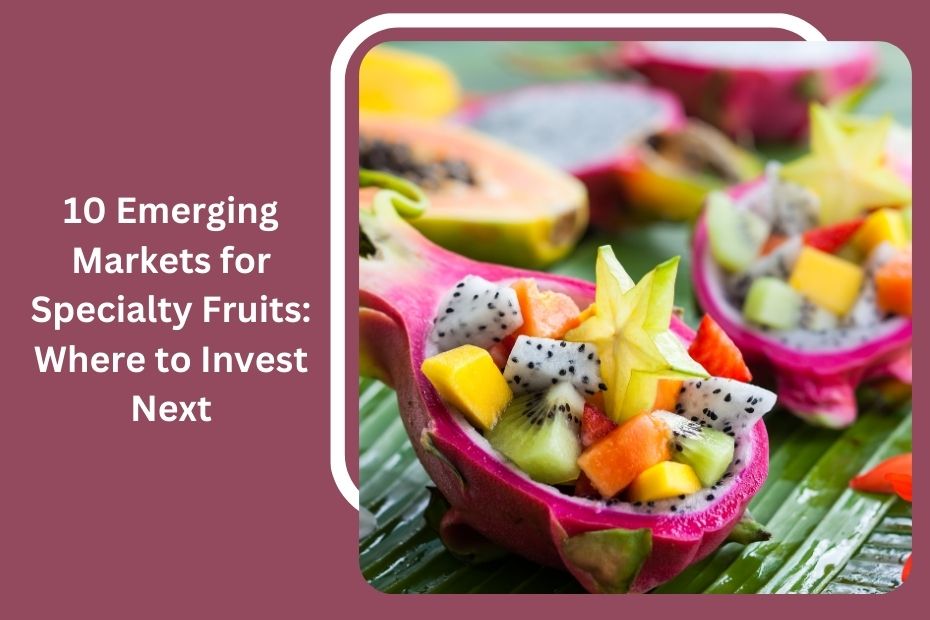
The specialty fruit market is one of the most exciting sectors to watch right now. Over the years, I’ve seen firsthand how consumer preferences shift, creating lucrative investment opportunities in regions that weren’t on the map a decade ago. The global appetite for exotic, nutrient-rich fruits continues to rise, and investors who understand where and when to move stand to make significant gains. Some markets are already proving their potential, while others are just starting to catch the attention of forward-thinking growers, exporters, and distributors. Based on my experience tracking these trends, here are ten specialty fruit markets that deserve serious consideration.
1. Southeast Asia’s Booming Durian Demand
Durian has always been a regional favorite in Southeast Asia, but what’s happening now is extraordinary. China’s demand for durian has skyrocketed, transforming what was once a niche fruit into a multi-billion-dollar industry. I’ve watched as Thai and Malaysian exporters ramp up production and refine logistics to meet import requirements. Investors looking for a solid bet should consider expanding orchards, investing in post-harvest processing, or securing partnerships with exporters tapping into China’s insatiable demand. Ensuring compliance with strict import standards is key—quality and traceability matter more than ever.
2. Avocado Expansion in Latin America
If there’s one fruit that’s gone from trendy to a full-blown global staple, it’s the avocado. Mexico remains the powerhouse of the industry, but Peru has made impressive strides, particularly in serving off-season markets. The key opportunity here isn’t just growing more avocados—it’s investing in sustainable, high-yield farming and improving supply chain efficiency. I’ve seen the impact that better irrigation techniques, optimized packing facilities, and strategic export routes can have on profitability. Anyone entering this space needs to plan for sustainability, as environmental concerns are starting to shape regulations in key import markets.
3. African Blueberry Ventures
Blueberries have gone from being a luxury to an everyday purchase for health-conscious consumers, and African producers are stepping up. South Africa and Kenya have emerged as major suppliers, particularly for European buyers looking for year-round availability. What makes this an attractive investment? The combination of ideal growing conditions and an increasingly sophisticated agricultural sector. Cold storage and logistics remain the biggest challenges, so investors focusing on infrastructure improvements will find opportunities to add real value.
4. Dragon Fruit Opportunities in Vietnam
Vietnam has completely dominated the dragon fruit market, and for good reason. The country’s expertise in cultivation, strong export relationships, and increasing demand in Western markets make it a hotspot for investment. I’ve seen incredible opportunities in expanding farms, developing organic production, and investing in processing facilities that turn dragon fruit into powders, juices, and snack products. Anyone looking to enter this space should focus on differentiation—higher quality, unique varieties, and superior branding make a huge difference in this market.
5. Australian Macadamia Growth
Macadamia nuts have quietly built a reputation as one of the world’s premium tree nuts, and Australia leads the charge. Demand from Asia, especially China and Japan, has created enormous export potential. I’ve observed that the best opportunities aren’t just in cultivation but also in value-added products. Macadamia oil, dairy alternatives, and premium snack products are growing fast. Investors who focus on sustainable farming practices and premium branding will find plenty of room for growth in this market.
6. Spanish Cherry Exports
Spain’s cherry industry is on the rise, particularly with Asian markets opening up. I’ve been following the sector closely, and the biggest challenge is ensuring cherries reach distant markets in peak condition. The real investment opportunities lie in advanced cold storage, optimized packaging, and logistics solutions. China recently greenlit Spanish cherry imports, which means there’s still time to establish strong supply chain connections before the market matures.
7. Indian Pomegranate Production
India’s pomegranate industry has expanded significantly in recent years, with demand growing across Europe and the Middle East. Pomegranates are packed with antioxidants, making them a staple in health-conscious markets. I see two major opportunities here: increasing high-quality production and investing in processing for juices, extracts, and supplements. The fresh fruit market is strong, but the real value lies in premium packaged goods. The key for investors is ensuring compliance with stringent import regulations, especially for European buyers.
8. Kiwi Fruit in New Zealand
New Zealand has turned its kiwi fruit industry into a global powerhouse, and I don’t see that slowing down anytime soon. The Zespri brand has set the standard for quality, but there’s room for more investment in organic and specialty kiwi varieties. One of the best opportunities I’ve seen is in developing supply chain partnerships that allow for more direct-to-consumer exports. The growing demand for yellow-fleshed kiwis is another trend worth capitalizing on.
9. Ethiopian Mango Farming
Ethiopia is an under-the-radar mango producer with excellent potential. The climate is perfect, and the government has started to support agricultural expansion. The biggest opportunities here are in improving export logistics and processing capabilities. I’ve seen firsthand how dried mango products have exploded in popularity, making this an ideal investment area. For investors willing to navigate the local regulatory environment, Ethiopian mango farming offers a great balance of affordability and growth potential.
10. Colombian Passion Fruit
Colombia is quickly making a name for itself as a top passion fruit supplier. The demand for tropical flavors in beverages and health foods is pushing prices higher, and Colombia’s production capacity is expanding to meet that demand. I’ve found that the most promising investment angles are in processing and export infrastructure. Fresh passion fruit is valuable, but frozen and concentrate formats are where the biggest growth is happening. Investors who focus on quality control and branding can carve out a strong position in this market.
Key Considerations for Investors
Getting into specialty fruit markets isn’t just about choosing the right product—it’s about understanding how global supply chains, trade agreements, and sustainability concerns shape the industry. I always emphasize the importance of research. Climate conditions, labor availability, export tariffs, and market demand must all align for an investment to succeed. Partnerships with local producers, improved logistics, and compliance with food safety regulations are essential to ensuring long-term profitability.
Most Common Questions About Specialty Fruit Investments
- Which regions are leading in specialty fruit production?
- What are the most profitable specialty fruits to invest in?
- How does global demand influence specialty fruit markets?
- What are the risks associated with investing in emerging fruit markets?
- How can investors assess the sustainability of specialty fruit investments?
In Conclusion
The specialty fruit sector continues to offer incredible opportunities for those who know where to look. Countries like Thailand, Vietnam, and Colombia have already demonstrated their strength, while emerging players in Africa and Latin America are showing real promise. Success in this space depends on strategic investment, attention to quality control, and a deep understanding of trade patterns. Investors who align themselves with consumer demand and adapt to shifting regulations will be well-positioned for long-term gains in this fast-moving industry.