
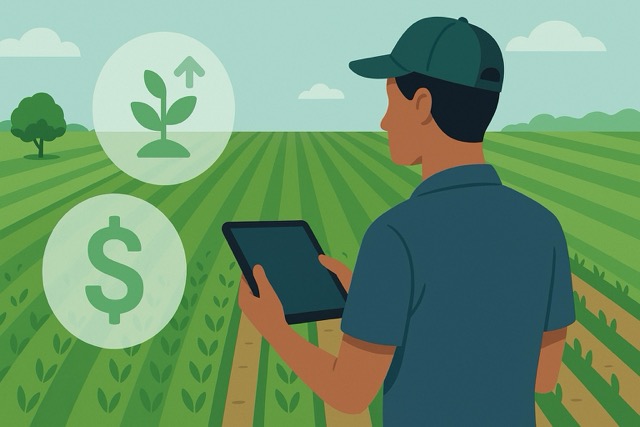
If you’re looking for a way to build wealth with less noise than the stock market and more security than speculative trends, investing in farmland might be one of the smartest moves you can make. Agricultural land continues to gain traction as an asset class thanks to its stability, cash yield potential, and inflation-resistant qualities. Whether you’re starting with a modest budget or eyeing full ownership, understanding how to invest in farmland puts you in a position to tap into one of the oldest and most reliable forms of income generation. This guide walks you through your options—from direct land purchases to low-capital alternatives—along with practical advice on what to expect, what to watch out for, and how to get started.
Why Farmland Is a Reliable Investment
Farmland sits in a category all its own. It’s a physical asset that generates income while appreciating over time. When you buy farmland, you’re not speculating on hype or riding the ups and downs of daily trading. You’re investing in land that feeds people—and that demand doesn’t disappear. Historical data from the National Council of Real Estate Investment Fiduciaries (NCREIF) shows that U.S. farmland returned an average of over 10% annually over the past few decades, with significantly lower volatility than equities.
You also get multiple income sources. If you lease the land, you collect steady rental income. If you operate it, there’s income from crop sales. Even better, farmland often outpaces inflation. When commodity prices go up, farm rents follow. That makes farmland particularly appealing when the cost of living is on the rise and other assets are under pressure.
Getting Started: What Type of Investor Are You?
Before jumping in, think about how hands-on you want to be. If you’re the type who enjoys managing physical assets, buying a plot and overseeing operations might fit your style. But if you want the exposure without the responsibility, you’ve got options—like farmland REITs or equity crowdfunding platforms.
Farmland REITs, such as Farmland Partners and Gladstone Land, trade on public exchanges and give you access to a portfolio of agricultural properties. You get dividends, potential appreciation, and no maintenance. Crowdfunding platforms like AcreTrader and FarmTogether allow you to co-invest in specific farms. You pick projects based on crop type, geography, and return expectations. These platforms typically have minimums between $10,000–$20,000 but save you the hassle of legal paperwork, tenant management, or finding buyers when it’s time to exit.
Buying Farmland Directly: What You Should Know
If you’re leaning toward ownership, you’ll need to approach farmland like a business. Start by identifying where you want to invest. Midwest regions like Iowa, Illinois, and Nebraska are known for their productivity and stable appreciation. But prices there tend to be higher, so new investors might explore southern or southeastern states where entry costs are lower.
Next, look at land quality. Soil type, water access, and drainage affect profitability. Tools like the USDA’s Web Soil Survey or local extension offices can help evaluate potential properties. Then consider how you’ll generate income—will you lease it out to a farmer on a cash rent basis, or share in the crop revenue? Each method comes with different risk levels and involvement.
Also account for maintenance, insurance, taxes, and potential capital improvements. Unlike stocks, farmland isn’t passive unless you structure it that way. Hiring a local farm manager can bridge the gap between absentee ownership and operational control.
Financing and Budgeting
Farmland isn’t cheap. The national average price per acre for cropland in the U.S. is over $5,000, and premium land in the Corn Belt can exceed $10,000 per acre. That means even a modest 40-acre plot could run into six figures. You’ll need a solid financing strategy—whether through traditional farm credit lenders, agricultural banks, or cash reserves.
If you’re taking out a loan, expect more scrutiny than a residential mortgage. Lenders look at not just your credit but the land’s productivity, zoning, and lease agreements. Rates may also vary based on loan duration and whether the property has active income generation at purchase.
Don’t forget to build reserves for non-productive years. Weather disruptions, commodity pricing dips, or tenant turnover can all affect annual income. A cash cushion gives you staying power when returns fluctuate.
Tax Considerations
Farmland offers several tax advantages that can improve your net returns. Owners can depreciate improvements like fencing, irrigation systems, and barns. You may also be eligible for property tax deductions, conservation incentives, or tax deferments under 1031 exchanges if you reinvest proceeds into another qualifying property.
Rental income from farmland is typically taxed as passive income unless you’re actively managing the operation. That means you may not pay self-employment tax on it. But if you sell appreciated land, capital gains tax applies unless deferred. Make sure to consult a tax advisor to structure your ownership in a way that matches your investment goals.
Managing Risk: Weather, Tenants, and Market Trends
No investment is risk-free, and farmland is no exception. Weather extremes—droughts, floods, frost—can reduce crop yields and affect your tenant’s ability to pay. That’s why due diligence matters. Areas with stable rainfall, established irrigation, or climate-resistant crops offer more consistency. Insurance can also cushion against major losses, especially multi-peril crop insurance if you’re directly involved in production.
Tenant selection is equally important. A reliable farmer with a good payment history and knowledge of the land helps maintain your income and property condition. Long-term leases reduce turnover and give you better predictability. Finally, keep tabs on commodity markets. While you don’t need to trade futures, understanding how corn, soy, or wheat prices affect your bottom line is part of managing your investment well.
Top ways to invest in farmland
- Buy agricultural land and lease it to farmers
- Invest in farmland REITs on public exchanges
- Use platforms like AcreTrader or FarmTogether
- Join a farmland syndicate with pooled investors
- Finance land with a long-term rural property loan
In Conclusion
Investing in farmland gives you more than just a piece of dirt—it gives you access to a centuries-old source of income that’s still growing in relevance. Whether you go all in and buy land yourself or start small through a REIT or crowdfunding site, farmland offers consistent returns, inflation protection, and tangible value. The key is deciding how active you want to be and structuring your investment to match. Once you understand how it works and set your expectations right, farmland can become a cornerstone in your long-term financial strategy.
For more beginner-friendly guides on building wealth through diverse investments, visit my blogspot.