
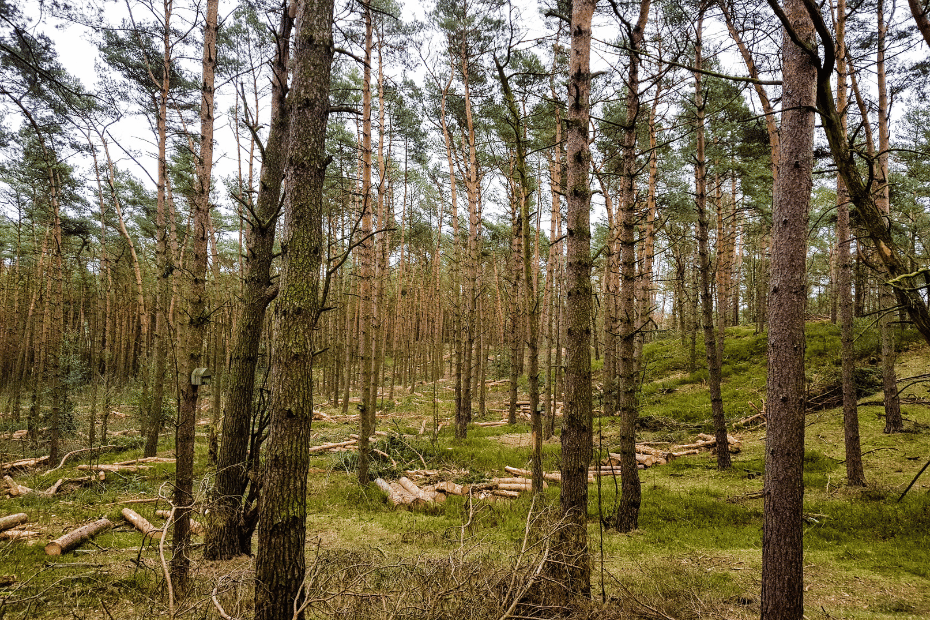
Forestry extends beyond the mere cultivation and conservation of trees; it is a cornerstone of ecological stability and human well-being. Forests play a crucial role in filtering air, providing fresh water, and housing more than 80% of terrestrial biodiversity. They also serve as the livelihood for millions of people globally, underscoring their significance in both environmental sustainability and social welfare. Recognizing the comprehensive benefits of forests helps us appreciate their role not just as wood suppliers, but as vital contributors to life on Earth.
Sustainable forestry practices are pivotal in achieving the Sustainable Development Goals (SDGs) set by the United Nations. By managing forests sustainably, we can address a multitude of goals: combating climate change, preserving biodiversity, ensuring clean water, and supporting sustainable economic growth. Each of these goals is interlinked, reflecting the holistic nature of forestry in global sustainability efforts. Through careful stewardship of forests, we can create a sustainable cycle that benefits the environment while supporting economic and social structures.
This article aims to illuminate the innovative forestry practices and business opportunities that align with the SDGs. We will explore how sustainable forestry not only contributes to direct environmental impacts but also offers substantial economic and social benefits, providing a fertile ground for entrepreneurs to innovate and thrive.
Forestry and Global Sustainability Goals
Direct Impact on SDGs
Forests are directly pivotal to several SDGs, particularly SDG 13 (Climate Action) and SDG 15 (Life on Land). By absorbing carbon dioxide, forests act as vital carbon sinks, mitigating climate change. Sustainable management of forests also helps in preserving wildlife habitats, protecting biodiversity, and promoting the sustainability of these ecosystems. For instance, by maintaining forest cover, we can ensure the survival of countless species that depend on forests for shelter and food, thus directly supporting biodiversity targets within the SDGs.
Interconnectedness of SDGs and Forestry
The impact of sustainable forestry extends into other SDGs indirectly as well, such as SDG 1 (No Poverty) and SDG 6 (Clean Water and Sanitation). By fostering a sustainable forestry sector, communities can benefit from job creation, which in turn aids in poverty alleviation. Forests also play a critical role in water cycles, filtering and regulating the water that countless communities rely on for sanitation and drinking. This interconnectedness showcases how sustainable forestry practices are integral to achieving broader developmental goals, highlighting the need for integrated approaches that consider various environmental and socio-economic factors.
Technological Innovations in Forestry
Advanced Mapping and Monitoring Systems
Geographic Information Systems (GIS) and satellite imagery are at the forefront of technological innovations transforming the field of forestry. These tools allow for detailed mapping and continuous monitoring of forest ecosystems, providing critical data that helps in decision-making and policy formulation. GIS technology enables the precise measurement of forest cover, analysis of deforestation patterns, and assessment of reforestation needs. Similarly, satellite imagery offers a bird’s-eye view of large forested areas, making it possible to monitor changes over time with remarkable accuracy. These technologies are instrumental in ensuring sustainable forest management by helping foresters and conservationists track conservation efforts and understand the impacts of human activities on forest health.
Blockchain for Traceability
Blockchain technology is increasingly being recognized for its potential to enhance transparency and compliance in the forestry supply chain. By securely recording transactions, blockchain creates an immutable ledger that can trace the journey of timber and other forest products from their origin to the consumer. This level of traceability is crucial for verifying the legality of forest products, combating illegal logging, and promoting sustainability in the forestry sector. It ensures that all stakeholders in the supply chain are accountable for their practices, thus encouraging more responsible management of forest resources.
Community Engagement and Policy Framework
Empowering Local and Indigenous Communities
The integration of local and indigenous knowledge into forestry management is vital for the sustainability of forest resources. Communities that have lived in and around forests for generations possess invaluable knowledge about sustainable resource management. By involving these communities in the decision-making process, forestry projects can benefit from practices that are not only environmentally sound but also culturally appropriate and socially inclusive. This empowerment helps ensure that forest management strategies are more effective and aligned with the needs and rights of those most directly impacted by these practices.
Policy Support and International Frameworks
Governments and international bodies play a crucial role in shaping the landscape of sustainable forestry through policy support and the creation of frameworks. Initiatives like the United Nations’ Strategic Plan on Forests, which aims to enhance global forest goals, and the Lacey Act in the United States, which combats illegal logging, are examples of how policy can influence forestry practices. Moreover, international agreements such as the Paris Agreement on climate change also include commitments that encourage the conservation and sustainable management of forests as a means to mitigate climate change. These policies and frameworks not only provide guidelines but also support and incentivize stakeholders to implement sustainable practices.
Sustainable Forestry as a Business Model
Economic Viability and Environmental Responsibility
Sustainable forestry practices demonstrate that economic viability and environmental stewardship can go hand-in-hand. By adopting sustainable methods, forestry businesses can reduce costs associated with waste, enhance the ecosystem services that forests provide (such as water purification and carbon sequestration), and tap into growing markets for green products. Moreover, sustainable forestry can lead to long-term profitability through the responsible management of forest resources, ensuring that these resources remain available for future generations, thus supporting a circular economy.
Case Studies of Successful Enterprises
Several enterprises have successfully integrated Sustainable Development Goals (SDGs) into their business models, demonstrating the potential of sustainable forestry. For example, companies like FSC-certified timber producers have shown that sustainable management practices can be economically profitable while conserving the environment. These businesses often enjoy a premium for their products, better market access, and improved brand loyalty among consumers who value sustainability. Another case is enterprises that engage in reforestation projects which not only restore degraded lands but also generate carbon credits that can be sold on international markets, creating additional revenue streams.
Challenges and Future Prospects
Addressing Barriers to Sustainable Forestry
Despite the potential benefits, sustainable forestry faces several challenges. Financial limitations, especially the high upfront costs of transitioning to sustainable practices, can deter small and medium-sized enterprises. Technological accessibility is another hurdle, with advanced sustainable technologies often out of reach for smaller players due to their cost or complexity. Additionally, regulatory hurdles can impede the adoption of sustainable practices, as forestry regulations may vary significantly by region and often require complex compliance procedures.
Future Innovations and Directions
Looking to the future, the forestry sector is likely to see innovations that further support the SDGs, particularly in the development of the bioeconomy. This involves using renewable biological resources from forests to produce food, energy, products, and services. Another promising area is the integration of digital technologies like AI and IoT, which can optimize forest management and supply chains, making them more efficient and less impactful on the environment. These advancements are expected to make sustainable forestry practices more accessible and effective, ultimately contributing to global sustainability goals.
In Conclusion
Throughout this discussion, we’ve explored how forestry plays a crucial role in achieving Sustainable Development Goals through its impact on climate action, biodiversity conservation, and sustainable economic growth. We’ve seen how integrating innovative practices and technologies can make forestry not only a guardian of the environment but also a lucrative sector for forward-thinking entrepreneurs. As the world moves towards a more sustainable future, the opportunities for growth and innovation within forestry are vast and varied. Entrepreneurs are encouraged to seize these opportunities, leveraging the unique position of forestry in the global sustainability agenda to create businesses that are both profitable and responsible. By doing so, they will contribute significantly to the environmental, social, and economic pillars of sustainable development.