
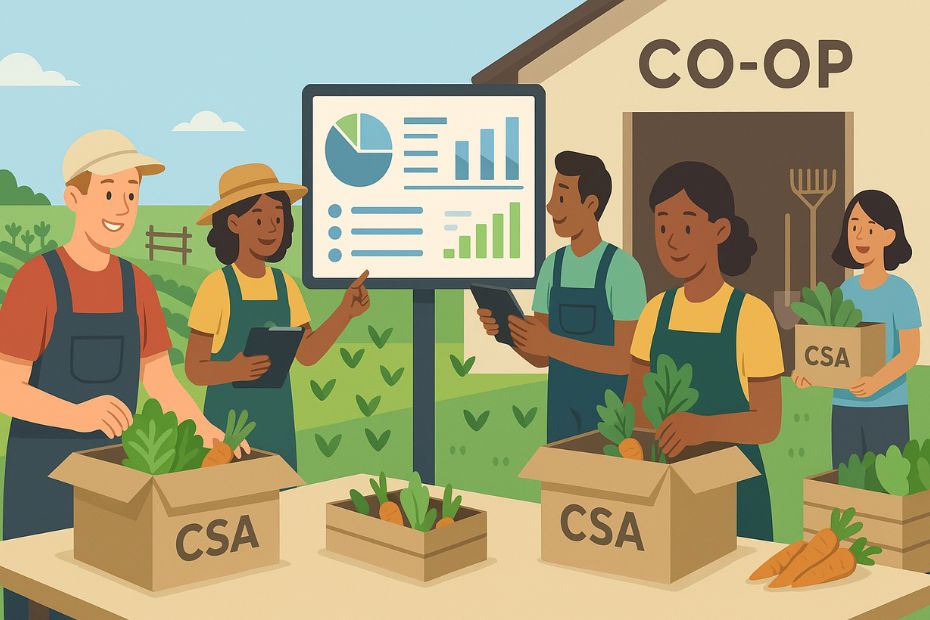
If you’re aiming to build a resilient, community-driven, and profitable farm operation, revisiting traditional models like cooperatives and community-supported agriculture (CSAs) might be one of the smartest moves you can make right now. These aren’t outdated relics—they’re being revived by farmers like you who want to reduce risk, secure consistent income, and form direct connections with consumers. You’re not just growing food anymore; you’re building systems of trust, transparency, and long-term economic value. This article unpacks how farm co-ops and CSAs are evolving in today’s agriculture market, what advantages they offer, and how you can integrate them into your business to meet rising consumer expectations and navigate volatility.
Co-ops Let You Compete Without Going It Alone
You’ve likely seen large-scale producers outbid you on inputs or secure better distribution deals. Co-ops let you level that playing field. By pooling resources—whether it’s seed, storage, equipment, or transportation—you cut your costs while boosting efficiency. More importantly, you gain market leverage. Instead of negotiating alone, you’re part of a collective with serious buying and selling power.
Today’s co-ops aren’t limited to grain elevators and supply stores. You’re seeing models where farmers co-own processing facilities, invest jointly in ag-tech, and even brand their products under a shared label. If you’re running a small or midsize operation, that access to infrastructure can open doors that would otherwise be out of reach financially.
CSAs Bring Customers Closer—and Make Revenue Predictable
You don’t have to rely solely on commodity pricing or wholesale contracts anymore. With a CSA, you give your customers a subscription to your harvest. They pay you upfront—often before the season starts—and you provide a regular box of produce, eggs, meat, or flowers throughout the season. That capital helps with early-season costs like seed, labor, and equipment maintenance.
But a CSA is more than just prepayment. It’s relationship farming. You’re not selling to faceless middlemen. You’re feeding people who know your name, your growing practices, and your weather challenges. That connection not only helps you retain members year after year—it also strengthens your community’s food system and creates marketing buzz that you could never pay for.
Modern Co-ops Use Tech to Keep Members Aligned
The old co-op model might have been paper-based and slow to respond to change, but that’s no longer the case. You’re using software to track shared assets, vote on decisions, and distribute profits. Apps like Barn2Door or HarvestHand streamline inventory management, CSA orders, and co-op sales logistics, reducing friction and improving transparency.
Digital platforms also help you manage cooperative governance—ensuring everyone’s voice is heard and that decisions are data-driven, not based on whoever speaks the loudest in a meeting. Whether you’re managing shared delivery routes or coordinating bulk compost purchases, technology makes the collective smoother and more scalable.
Flexible CSA Models Fit Modern Lifestyles
Consumers want fresh food—but they also want flexibility. You can’t expect everyone to commit to the same basket every week anymore. That’s why many CSA operators like you are shifting toward point-based systems. Members preload their accounts, then choose items each week from your available inventory. Some CSAs now include meat, dairy, bread, or pantry items from neighboring producers, transforming your CSA into a full weekly grocery solution.
This model isn’t just customer-friendly—it helps you reduce waste and optimize your harvest. You know what to pick, how much to prepare, and which items are in demand. It also opens the door to partnerships with other farms, which strengthens your network and creates revenue opportunities through collaboration.
Direct-to-Consumer Marketing Puts You in Control
Whether you’re running a CSA or marketing through a co-op, you’re no longer dependent on distributors or grocery chains to tell your story. You can create a landing page in a few clicks, start an email list in a weekend, and use Instagram to show how your crops are progressing—all without leaving the field.
These marketing tools let you connect directly with customers who value transparency. When they see you out there in the mud planting carrots or adjusting your irrigation during a dry week, they become loyal—not just to your product, but to you. That loyalty turns into repeat business, referrals, and community support when things get tough.
You’re Creating Stability in an Unstable Industry
Weather, markets, input costs—it can all change fast. But co-ops and CSAs give you more predictability. When you’re part of a co-op, you’re not facing shocks alone. When you run a CSA, your income isn’t based on what the market says your tomatoes are worth that day—it’s based on the value you’ve already built with your members.
These models reduce your exposure to wholesale volatility and give you a more balanced income throughout the season. You don’t eliminate risk, but you distribute it. That stability makes it easier to plan, hire, reinvest—and sleep.
This Isn’t Nostalgia—It’s Smart Business
Don’t think of co-ops and CSAs as throwbacks. Think of them as low-cost, high-value business infrastructure. In an era where corporate consolidation is squeezing small farms, you’re building alliances and loyalty. You’re not just surviving—you’re shaping how agriculture can succeed through cooperation and direct customer engagement.
Whether you’re launching a CSA with 25 members or joining a co-op with 500 acres under shared management, these models give you something corporate farms can’t replicate: trust, community, and adaptability. And those are your real competitive advantages.
Why Use Co-ops or CSAs?
- Lower costs through collective purchasing
- Predictable income via direct subscriptions
- Stronger community and customer loyalty
- Flexible business models with digital tools
- More control over pricing and marketing
In Conclusion
When you run a CSA or participate in a co-op, you’re not just changing how you farm—you’re changing how your farm fits into the economy and the community. You’re reducing risk, increasing transparency, and building systems that serve both producers and consumers better. These aren’t fringe ideas—they’re smart, proven strategies being retooled for a modern agribusiness world. If you want a more stable, connected, and values-driven way to grow, these old models might just be your next big step forward.