
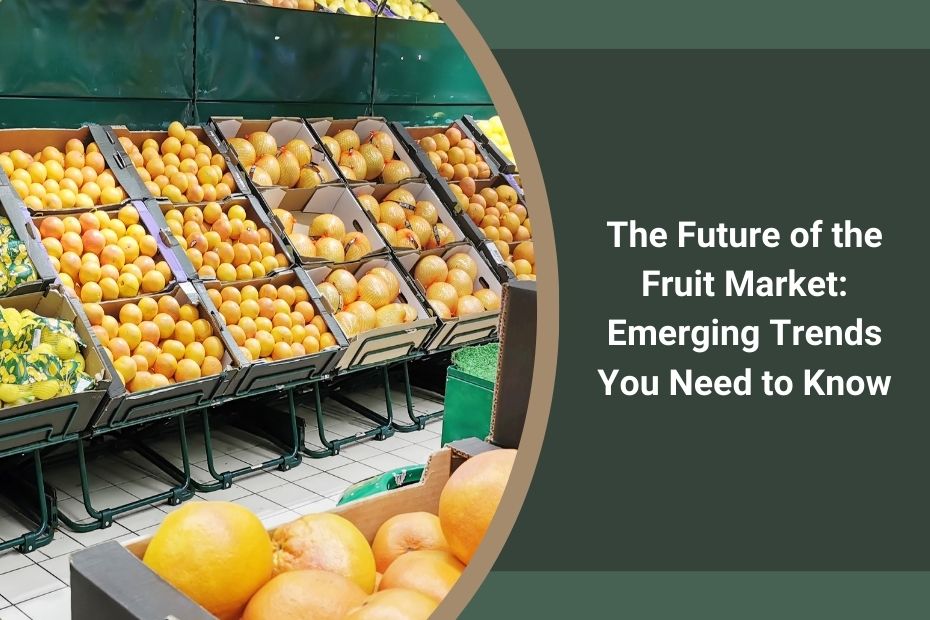
The fruit market is evolving in remarkable ways, shaped by consumer preferences, technology, and environmental challenges. As someone actively engaged in this industry, I’ve seen firsthand how these trends are influencing production, distribution, and consumption. The future of the fruit market is dynamic, with exciting opportunities for innovation and growth. Let’s explore the key trends that are shaping its path.
Rising Demand for Exotic and Niche Fruits
Consumers today are more adventurous, seeking out new flavors and textures from fruits once considered exotic. Dragon fruit, rambutan, mangosteen, and even durian are no longer confined to specialty stores; they’re appearing in mainstream markets around the world. This shift is fueled by global travel, social media, and a growing interest in diverse culinary experiences.
Farmers and retailers are capitalizing on this trend by expanding their offerings to include these niche fruits. In regions where these fruits are not traditionally grown, innovative cultivation methods, such as greenhouse farming, are making it possible to meet demand. The result? Increased profitability for growers and more options for consumers.
Emphasis on Sustainability and Ethical Sourcing
Sustainability is no longer just a buzzword—it’s a priority for consumers and businesses alike. People want to know that the fruits they buy are grown using environmentally friendly practices and that the workers involved in the process are treated fairly. This demand is driving the adoption of transparent supply chains and certifications such as Fair Trade and Rainforest Alliance.
In response, fruit producers are implementing sustainable practices like water-efficient irrigation, reduced pesticide use, and renewable energy on farms. These measures appeal to eco-conscious consumers and reduce operational costs over time, making sustainability a win-win for growers and buyers.
Technology Revolutionizing Farming Practices
The integration of technology into fruit farming is one of the most exciting developments in the industry. Precision agriculture, for example, uses GPS, drones, and IoT devices to monitor crops in real time. These tools provide insights into soil health, moisture levels, and pest activity, allowing farmers to make data-driven decisions.
Automated harvesters and AI-powered sorting machines are also streamlining operations, reducing labor costs, and improving efficiency. In addition, blockchain technology is enhancing traceability, ensuring that every step of the supply chain is accounted for. These advancements are not just making farming smarter—they’re setting new standards for quality and accountability.
The Rise of Organic and Health-Conscious Markets
The growing awareness of health and wellness is having a significant impact on the fruit market. Consumers are increasingly choosing organic fruits, free from synthetic pesticides and fertilizers, for their perceived health benefits and environmental friendliness. As a result, the demand for organic produce continues to soar.
This trend is encouraging more farmers to transition to organic farming methods, despite the initial challenges. The reward is worth the effort—organic fruits often command higher prices, and the growing health-conscious demographic provides a stable and expanding market. Whether it’s organic berries, apples, or bananas, these products are becoming staples in households worldwide.
Climate Change Driving New Adaptations
Climate change is one of the greatest challenges facing the fruit market. Unpredictable weather patterns, rising temperatures, and extreme events are impacting yields and altering growing regions. For example, some traditional fruit-growing areas are now unsuitable due to drought, while others are emerging as viable alternatives.
To combat these challenges, researchers and farmers are developing climate-resilient fruit varieties. Drought-tolerant grapes, heat-resistant strawberries, and salt-tolerant mangroves are just a few examples of how innovation is helping the industry adapt. These advancements ensure a consistent supply of fruits even in the face of environmental adversity.
Expansion of Direct-to-Consumer Models
The way people buy fruits is also changing. Direct-to-consumer sales, facilitated by e-commerce platforms and subscription services, are becoming increasingly popular. Consumers enjoy the convenience of having fresh, high-quality fruits delivered straight to their doorsteps, often with options for customization.
Farmers are leveraging these channels to establish closer connections with their customers and bypass traditional distribution networks. This increases profitability and allows for better control over product quality and branding. Subscription boxes featuring seasonal or exotic fruits are particularly popular, offering consumers variety and farmers a reliable revenue stream.
Innovations in Packaging and Preservation
Reducing food waste and environmental impact is a top priority for the fruit industry, and innovations in packaging and preservation are addressing these concerns. Biodegradable packaging, edible coatings, and smart packaging that monitors freshness are becoming more prevalent.
These solutions extend the shelf life of fruits and cater to eco-conscious consumers who are keen to reduce plastic waste. Retailers and producers who adopt these practices are contributing to sustainability and gaining a competitive edge in the market.
Key Trends in the Future Fruit Market
- Growing demand for exotic fruits.
- Sustainability and ethical sourcing gaining traction.
- Technology advancing farming practices.
- Expanding organic and health-conscious markets.
- Climate change driving adaptations.
- Rise of direct-to-consumer sales.
- Innovative packaging reducing waste.
In Conclusion
The fruit market is undergoing significant changes driven by consumer demand, technology, and environmental challenges. By embracing trends like sustainability, advanced farming techniques, and direct-to-consumer sales, the industry is well-positioned to thrive. The future promises exciting opportunities for innovation, profitability, and a stronger connection between growers and consumers.