
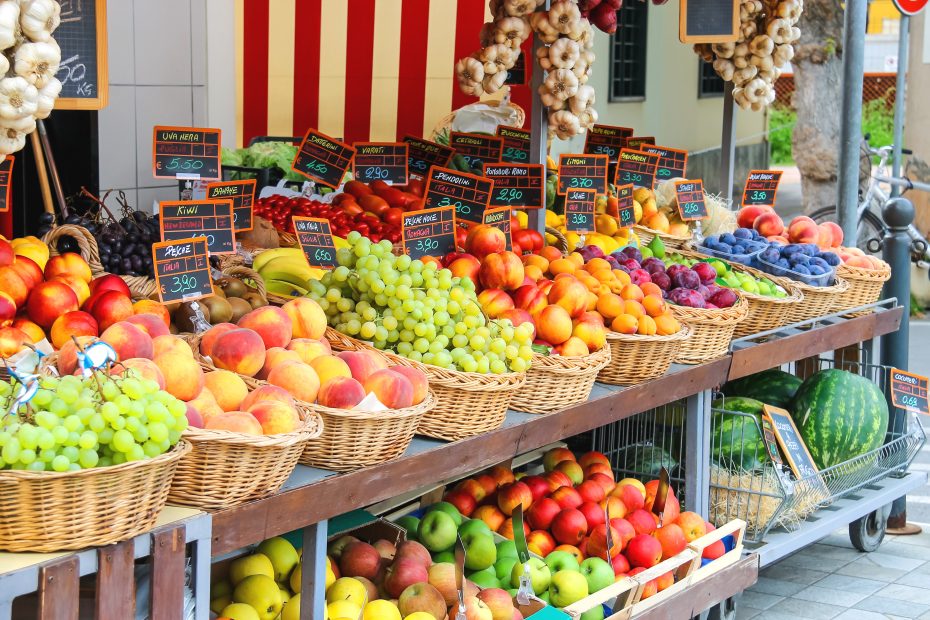
In today’s globalized era, the fruit industry has undergone a seismic shift, driven predominantly by evolving consumer tastes. No longer confined to seasonal or regional varieties, modern consumers, informed and health-conscious, crave diversity in their fruit choices, seeking not just unique flavors but also health benefits and sustainable sourcing. This collective desire has significantly influenced market trends, from a heightened demand for once region-specific fruits to the industry’s chase for the next “superfruit”. This intricate dance between consumer demands and market strategies delineates the current trajectory of the fruit industry.
The Historical Evolution of Fruit Consumption Patterns
As we peel back the layers of time, the relationship between humans and fruits has been nothing short of evolutionary. What started as basic sustenance has transformed into a sophisticated market driven by tastes, health trends, and global connectivity.
A Journey Through Time: Fruits Once Considered Exotic Now Mainstream
Decades ago, fruits like avocados, kiwis, or dragon fruit were deemed exotic in many parts of the world. However, with the advent of globalization and improved transportation, these fruits have found their way to global markets, gracing shelves and becoming household names.
Impact of Globalization on Fruit Availability and Consumption
Globalization has removed geographical boundaries from our diet. Improved supply chains, advances in preservation methods, and growing consumer demand for diverse fruit choices have all contributed to a world where tropical fruits can be enjoyed in temperate zones and vice versa.
Top Trends Shaping the Fruit Market Today
Consumer preferences shift with societal trends, technological advances, and increasing awareness of health and sustainability. Here’s a deep dive into the most prominent trends driving the fruit market today:
Demand for Organic and Pesticide-free Fruits
With increasing awareness of the harmful effects of pesticides and chemicals, there’s a growing demand for organic fruits. Consumers are willing to pay a premium for the assurance that what they consume is free from harmful chemicals.
The Rise of ‘Superfruits’ and Their Health Benefits
Berries, chia, acai, and pomegranate are no longer niche. Termed as ‘superfruits’, these are sought after for their superior nutritional profiles, packing antioxidants, vitamins, and other health-boosting components.
Consumers’ Gravitation Towards Locally-sourced Fruits
The “farm-to-table” movement emphasizes the importance of supporting local farmers and consuming produce that hasn’t traveled thousands of miles. It promises freshness and bolsters local economies.
The Re-emergence of Forgotten or Indigenous Fruits
There’s a rising interest in rediscovering fruits that have been overshadowed in the globalized market. Indigenous fruits, packed with flavors and nutrients unique to their native regions, are making a comeback.
Packaging Innovations for Sustainability and Convenience
In a bid to reduce carbon footprints, the fruit industry is exploring sustainable packaging options. From biodegradable wraps to reusable containers, the focus is on minimizing environmental impact while maximizing consumer convenience.
Catering to Modern Consumer Tastes in the Fruit Business
In today’s rapidly changing fruit market, businesses must not only be reactive but also proactive in anticipating and adapting to consumer tastes. Let’s delve into actionable steps businesses can take to stay ahead of the curve and meet modern consumer demands.
Identifying Emerging Consumer Preferences Using Market Research
Before making any business move, one must understand the audience. Utilize market research tools, surveys, and feedback mechanisms to gauge what fruits consumers are gravitating towards. Monitor social media trends and influencers who often set the tone for health and dietary preferences.
Strategies for Sourcing In-demand Fruits Sustainably
It’s not just about offering the most in-demand fruits but also about how they’re sourced. Ensure partnerships with farms practicing sustainable agriculture. Consider implementing a traceability system, allowing consumers to know the origin of their fruits and the practices used in cultivation.
Marketing Tactics: Promoting Health Benefits and Sustainability to Attract Consumers
In your marketing campaigns, highlight the health benefits of the fruits you sell. Create engaging content around the nutritional values, potential health benefits, and the positive environmental impact of sustainable farming practices. Emphasize transparency, allowing consumers to make informed choices.
Leveraging Technology for Supply Chain Efficiency and Tracking Consumer Preferences
Technology is revolutionizing industries, and the fruit business is no exception. Invest in supply chain management software to ensure efficient logistics and reduce wastage. Additionally, use data analytics to continuously track and adapt to changing consumer preferences.
The Interplay of Health, Sustainability, and Flavor
The modern fruit market isn’t just driven by flavor but by a trio of factors: health benefits, sustainability, and taste. Here, we explore the intricate dance of these elements and how they’re shaping the industry.
The Educated Consumer: Health-consciousness Driving Demand for Nutrient-rich Fruits
Today’s consumers are more informed than ever. They’re aware of dietary needs, potential health benefits of certain fruits, and are always on the lookout for the next ‘superfruit’. This surge in health consciousness is a golden opportunity for businesses to promote fruits high in antioxidants, vitamins, and other beneficial compounds.
The Eco-conscious Consumer: The Push for Sustainability and Ethical Sourcing
The age of the eco-conscious consumer is here. There’s a deep desire to ensure that the fruits on their plate are not at the expense of the planet. This means they prefer fruits sourced from farms practicing water conservation, reduced pesticide use, and other sustainable practices. The marketability of sustainable practices has never been higher.
The Search for Authenticity and Flavor: A Return to Indigenous and Heirloom Varieties
In a globalized world, there’s a newfound appreciation for the authentic and the local. Indigenous and heirloom fruit varieties, with their unique flavors and stories, are making a strong comeback. These fruits, once overshadowed by more commercial varieties, are now prized for their authenticity and taste.
Businesses that can understand and tap into this triad of health, sustainability, and flavor will be the frontrunners in the ever-evolving fruit market landscape. In the sections to come, we’ll address common queries and weigh the pros and cons of these market trends, providing a holistic view for both businesses and consumers.
FAQs
How have consumer demands shifted in the past decade with regards to fruit consumption?
Over the past decade, there has been a notable shift towards organic, pesticide-free, and sustainably-grown fruits. The health-conscious consumer now seeks out nutrient-rich ‘superfruits’, and there’s been a revival in demand for indigenous and heirloom varieties. Additionally, transparent sourcing and eco-friendly packaging are also top priorities for many.
How do global events or health trends influence fruit market preferences?
Global events, especially health scares or dietary trends, significantly sway fruit market preferences. For instance, the popularity of diets like keto or veganism can boost demand for specific fruits. Similarly, health crises, like the recent pandemic, have pushed consumers to prioritize immune-boosting fruits.
What role does technology play in tracking and adapting to consumer preferences?
Technology plays an indispensable role. With advanced data analytics, businesses can track buying patterns, anticipate demand, and adapt accordingly. Additionally, supply chain technology ensures efficient distribution, and traceability systems provide transparency about sourcing and sustainability practices to consumers.
How have distribution channels changed in response to consumer needs?
Direct-to-consumer sales, subscription boxes, and online marketplaces have gained momentum in recent years, offering consumers convenience and variety. Traditional retailers are also focusing on local sourcing and promoting sustainable practices to meet consumer demands.
Are there emerging fruit varieties that are predicted to become popular in the next 5 years?
Yes, as consumers continuously search for unique flavors and health benefits, fruits like jackfruit, baobab, and camu camu are gaining traction in international markets. Additionally, regional favorites are crossing borders, with fruits like dragon fruit and passion fruit seeing increased global demand.
The Global Influence: How Different Regions Impact Fruit Market Trends
Consumer tastes are not just localized; they’re influenced by global trends. Different regions bring unique offerings to the table, enriching the global fruit palette.
Asia’s Influence: The Rise of Tropical Fruits in Western Markets
From lychees to longans, Asian fruits have made a marked presence in Western supermarkets. Their unique flavors, coupled with health benefits, have made them a favorite among consumers seeking variety and novelty.
Latin America’s Contribution: Exotic Fruits Gaining Global Attention
Fruits like guava, açaí, and pitahaya (dragon fruit) from Latin America have captivated global taste buds. Their vibrant colors and rich nutrient profiles make them a sought-after choice for health-conscious consumers.
The Western Palate: A Mix of Traditional Favorites and Newfound Preferences
While apples, oranges, and berries remain timeless favorites, there’s a growing curiosity for exotic fruits, inspired by travel and global culinary influences. This mix of tradition and exploration defines the Western fruit market.
In Conclusion, the fruit market is a reflection of the world’s evolving tastes, values, and aspirations. As consumers become more informed and globally connected, their choices reflect a blend of tradition, health consciousness, sustainability, and curiosity. For producers and distributors, the challenge and opportunity lie in staying attuned to these dynamic preferences. By embracing adaptability and maintaining a keen ear to the ground, the fruit industry can not only thrive but also play a pivotal role in shaping global dietary patterns for the future.