
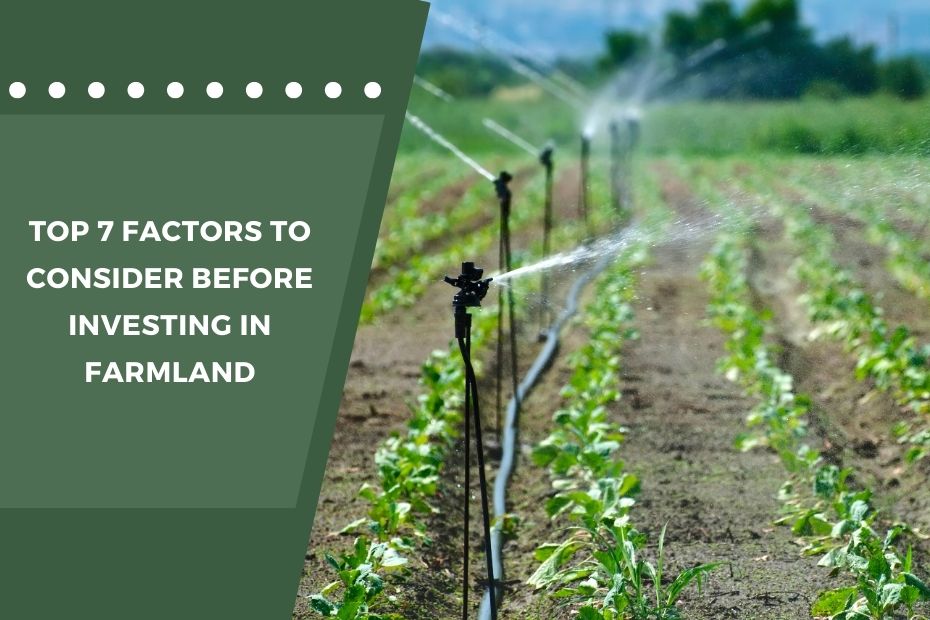
Farmland investment is often seen as a stable, long-term asset, but I’ve seen many investors underestimate the complexity involved. Buying farmland isn’t just about securing a plot of land—it requires understanding soil conditions, water rights, legal restrictions, and market demand before making a decision. I’ve worked with investors who regretted rushing into deals without considering operational costs, accessibility, or even climate risks. Whether the goal is crop production, livestock farming, leasing to tenants, or simply land appreciation, making the right investment choices upfront can determine long-term profitability.
1. Defining Investment Goals
Before buying farmland, I always ask investors one question: What’s the purpose? Some see farmland as a long-term asset that appreciates in value, while others plan to lease it to farmers or start their own agricultural operation. Each approach comes with different risks and financial requirements.
I’ve worked with buyers who assumed they could generate immediate rental income, only to realize that demand for leased farmland varies by region. Others expected quick appreciation, but land values depend on soil fertility, water rights, and surrounding infrastructure. Having a clear investment strategy is the first step to avoiding costly surprises.
2. Location and Accessibility Matter More Than You Think
Farmland value isn’t just about soil—it’s about proximity to infrastructure, markets, and transportation networks. I’ve seen investors purchase beautiful, fertile land miles away from processing facilities or distribution hubs, making logistics a nightmare.
Good roads, rail access, and proximity to cities or export terminals increase land value and ease operations. Climate plays a role too. Some crops thrive in mild, predictable climates, while others need specific temperature and moisture levels. I’ve advised investors to look at historical weather patterns and assess whether the land is prone to droughts, floods, or frost damage. Climate variability is a real risk for long-term farming success.
3. Soil Quality and Water Access Can Make or Break a Farm
Soil quality is everything when it comes to farmland investment. I’ve seen investors buy land that looked perfect on the surface but turned out to have poor nutrient levels, drainage issues, or high acidity. A detailed soil test is essential before making a purchase.
Equally important is water availability. Some regions have strict water rights laws, limiting how much water can be used for irrigation. I once worked with an investor who bought land assuming they could drill a well, only to find out groundwater extraction was heavily regulated. Whether relying on rainfall, surface water, or irrigation, securing a sustainable water source is non-negotiable.
4. Understanding Zoning Laws and Legal Restrictions
Farmland investments come with local zoning regulations, environmental restrictions, and land-use policies that can significantly impact operations. I’ve seen buyers assume they could build processing plants, livestock facilities, or even expand irrigation—only to discover they were legally restricted from doing so.
Some regions restrict foreign ownership, require special permits for commercial agriculture, or limit certain types of pesticide use. Checking with local agricultural authorities and real estate attorneys is critical to avoiding costly legal roadblocks.
5. Financial Viability and Budgeting Beyond the Land Price
I’ve encountered buyers who focused only on the purchase price, forgetting that farmland comes with ongoing costs. Beyond the initial investment, there are property taxes, maintenance, equipment, irrigation, and labor costs to consider.
Financing is another challenge. Farmland loans differ from residential real estate loans, with higher down payment requirements and longer-term commitments. I always advise potential investors to run financial projections and factor in unexpected expenses, such as soil rehabilitation or infrastructure upgrades.
For those planning to lease the land, understanding local lease rates and demand for farmland rentals is crucial. Some regions have high competition for leased farmland, while others see limited demand, making it harder to secure tenants.
6. Market Demand and Crop Selection Impact Profitability
The best farmland investments align with strong market demand for crops and livestock. I’ve seen investors buy land without researching what grows best in the region, only to struggle with unprofitable crops.
Regions with stable commodity markets, strong export potential, and local processing facilities tend to offer better returns. Additionally, I always recommend considering crop rotation or diversification to reduce dependency on a single commodity. Farmland that supports grain production, high-value specialty crops, or organic farming often sees higher profitability and resilience to market fluctuations.
7. Risk Management and Insurance are Essential
Farming is unpredictable. Weather disasters, fluctuating commodity prices, and regulatory changes can quickly impact profitability. I’ve worked with investors who didn’t factor in risk management, assuming their land would always produce steady returns.
Comprehensive crop insurance, livestock insurance, and liability coverage help protect against unexpected losses. Some regions offer government-backed farm insurance programs, which can reduce financial risks for farmland owners. I always recommend looking into natural disaster protection plans and consulting with local agricultural risk management experts before finalizing a purchase.
Key Factors Before Investing in Farmland
- Define investment goals—rental income, farming, or appreciation.
- Assess location and accessibility—proximity to markets and infrastructure.
- Check soil and water quality—ensure sustainability.
- Review legal restrictions—zoning and ownership laws.
- Analyze financial costs—beyond land price.
- Research crop demand—profitability of selected crops.
- Plan for risk management—insurance and disaster protection.
In Conclusion
Farmland is one of the most stable long-term investments, but it requires careful planning. Investors who focus on soil quality, water security, legal considerations, and market demand tend to see the best returns. Having worked with farmers and landowners for years, I’ve seen how thorough research and smart planning lead to success, while rushed decisions can lead to financial headaches. Whether buying land for agriculture, leasing, or long-term appreciation, a well-thought-out investment strategy is the key to profitable and sustainable farmland ownership.
“Thinking about investing in farmland? Get expert insights on location, soil quality, legal considerations, and market trends. Follow me on Pinterest for more investment tips and strategies!”