
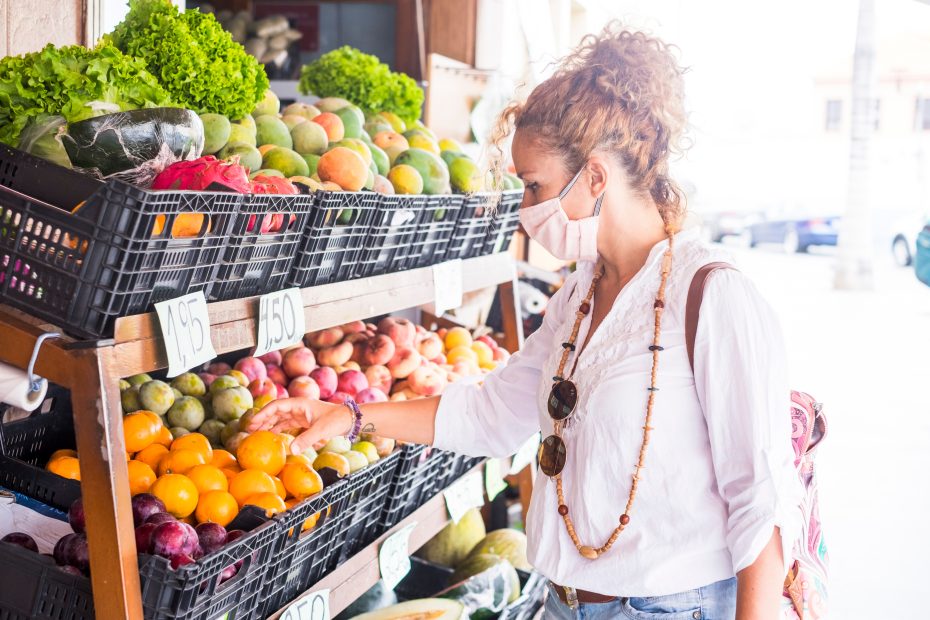
Imagine a world where the crispy apple or the succulent mango you enjoy is influenced by a web of factors stretching from distant orchards to bustling marketplaces. This world isn’t fictional—it’s the intricate realm of global fruit pricing. Across continents, these prices are not merely determined by the age-old law of supply and demand. They dance to the tune of governmental trade policies, shift with the winds of seasonal fluctuations, and echo the beat of harvest predictions. To truly appreciate the cost of the fruit in your basket, one must delve into this captivating symphony of market influences.
Background Tracing the Roots: The Tale of Fruit Pricing Through Ages
Historically, fruit prices weren’t just a matter of how good the summer harvest was. They’ve always been a reflection of the times, shaped by the broad strokes of geopolitics and the finer details of trade agreements. Cast your mind back to a time when a single geopolitical decision could send ripples through the fruit stalls of distant lands. These decisions often led to trade wars, with countries raising barriers and imposing tariffs, causing fruit prices to surge or plummet overnight. Moreover, our planet’s ever-shifting climate, with global warming at its epicenter, is playing its part. As crop yields are threatened by rising temperatures and unpredictable weather patterns, the pricing of fruits adjusts in response. From the granaries of ancient civilizations to today’s modern import-export hubs, understanding fruit pricing is to journey through a rich tapestry of global events and innovations.
Navigate the Nuances of Fruit Pricing for Businesses Understanding the Fruit Market’s Ebb and Flow
Navigating the ever-changing waters of fruit pricing is no less than mastering an art form. For businesses, it’s not just about knowing the current prices but understanding the undercurrents that cause these fluctuations.
Embrace the Fluctuations: Recognize that fruit market prices are inherently volatile. This volatility can arise from weather conditions affecting harvests, geopolitical tensions impacting trade, or shifts in consumer demand.
Stay Informed: Regularly monitor global news, agricultural reports, and industry bulletins. These provide valuable insights into possible factors that might affect the fruit market shortly.
Implement Flexible Pricing Strategies: Avoid locking your business into long-term price commitments. Given the fluid nature of the market, having an adaptive pricing strategy can save considerable costs.
Use Technology to Your Advantage: There are numerous price prediction tools and software available that harness the power of AI and big data analytics to forecast market trends.
Currency Matters: Given the global nature of the fruit market, businesses must always consider the impact of currency exchange rates. A favorable rate can be as crucial as the price of the fruit itself.
Understand Your Consumers: By analyzing consumer behavior analytics, businesses can anticipate shifts in demand, adjust their buying patterns, and ensure they’re catering to evolving consumer tastes.
Top 5 Factors Influencing Fruit Prices in 2023 The Pulse of the Market
The year 2023 isn’t just another year on the calendar; it stands out with distinctive factors molding the fruit pricing landscape. Here’s a breakdown of the top influencers:
1. Climate Impacts on Major Harvest Regions: As global temperatures rise, traditional fruit belts experience changes in their yield patterns. For instance, unexpected frost or prolonged drought can dramatically affect the output of a season.
2. Transportation and Logistics: With the post-pandemic world adjusting to new norms, transportation costs and logistics have seen upheavals. Factors like fuel prices, shipping container shortages, and disrupted supply chains play a significant role in the final price tag.
3. Organic Vs. Conventional Farming Costs: The organic market continues to grow as consumers become more health-conscious. However, organic farming often has higher input costs, translating to pricier fruits in comparison to their conventionally grown counterparts.
4. Consumer Health Trends: 2023 has witnessed an accelerated trend of consumers opting for healthier food choices, superfruits, and exotic varieties. This shift in preference can push prices up for specific in-demand fruits.
5. Geopolitical Tensions and Trade Policies: Global politics can sometimes overshadow agricultural trends. Trade wars, tariffs, and embargoes can significantly impact the flow of fruits across borders, causing price hikes or drops.
The fruit market in 2023 is a vibrant tapestry of various intertwined threads. Each factor plays its part in weaving the intricate pattern of global fruit pricing.
Predictive Analysis in Fruit Pricing Harnessing the Power of Big Data in the Fruit Market
In the labyrinth of global fruit pricing, the compass guiding us to make sense of seemingly random fluctuations is none other than predictive analysis. As we plunge deeper into the digital age, the realm of big data and analytics emerges as a game-changer for the fruit industry.
The crux of predictive analysis lies in its ability to sift through vast amounts of historical data, detect patterns, and forecast future trends. The impact of this is profound. For instance, businesses can now anticipate which fruits are likely to see a surge in demand, enabling them to adjust their supply chains or marketing strategies accordingly.
Farmers, too, benefit immensely. By harnessing technology, they can predict the best times to plant and harvest, anticipate weather-related challenges, and make informed decisions that optimize yields and profits.
But it’s not just about predictions; it’s about precision. The fusion of machine learning in agriculture, combined with real-time market data analysis, allows for hyper-accurate forecasts. This means businesses can optimize their operations, from procurement to sales, ensuring they’re always a step ahead in the market.
Some FAQs Answered On Unraveling the Complex World of Fruit Pricing Seasonal Variations and Global Prices
How do seasonal variations impact global fruit prices?
Seasonal variations play a pivotal role in fruit availability. Factors like global warming can alter traditional harvesting seasons, leading to supply shortages or surpluses and subsequently affecting prices.
Why are there drastic price differences in organic and conventionally grown fruits?
Organic fruits often involve more labor-intensive practices, the cost of organic certifications, and are typically grown without synthetic pesticides, leading to higher production costs.
How do trade barriers and tariffs influence fruit pricing on a global scale?
Trade barriers, like tariffs or quotas, can significantly increase import costs. This can either make imported fruits more expensive or shift consumer demand to local alternatives, affecting global pricing dynamics.
In Conclusion
In the vast expanse of the global fruit market, the variables influencing pricing are multifaceted. From the ebb and flow of seasons to the intricacies of trade negotiations, the landscape is continually evolving. As we gaze into the future, it’s evident that a fusion of technology, sustainable farming practices, and ethical trade practices will shape this domain. For businesses, farmers, and consumers alike, the key to thriving will be adaptability and a keen understanding of these emerging trends. Armed with knowledge and foresight, the future of the global fruit market holds promise and opportunity.